
5 Spring Garden Mistakes That Make or Break Your Plants
Picture this: you open your front door and a gentle, warm breeze rushes in. The feeling overwhelms you. You’ve become conditioned to expect the cold bite of winter every time you gear up to head outside… but today is different. Spring has sprung, the snow is melting, and your gardens are begging for attention after their long snowy slumber! If you’re anything like us, that first warm breeze of spring fills you with enthusiasm to get growing. That excitement truly is one of gardening’s greatest gifts, but it can also get you into trouble. Spring is the most critical time to prepare the foundation for a successful gardening season. There’s a handful of very common spring garden mistakes that can quietly erode everything you’re trying to grow. We’ll lay out five of the most common spring garden mistakes to avoid, and what to do instead.
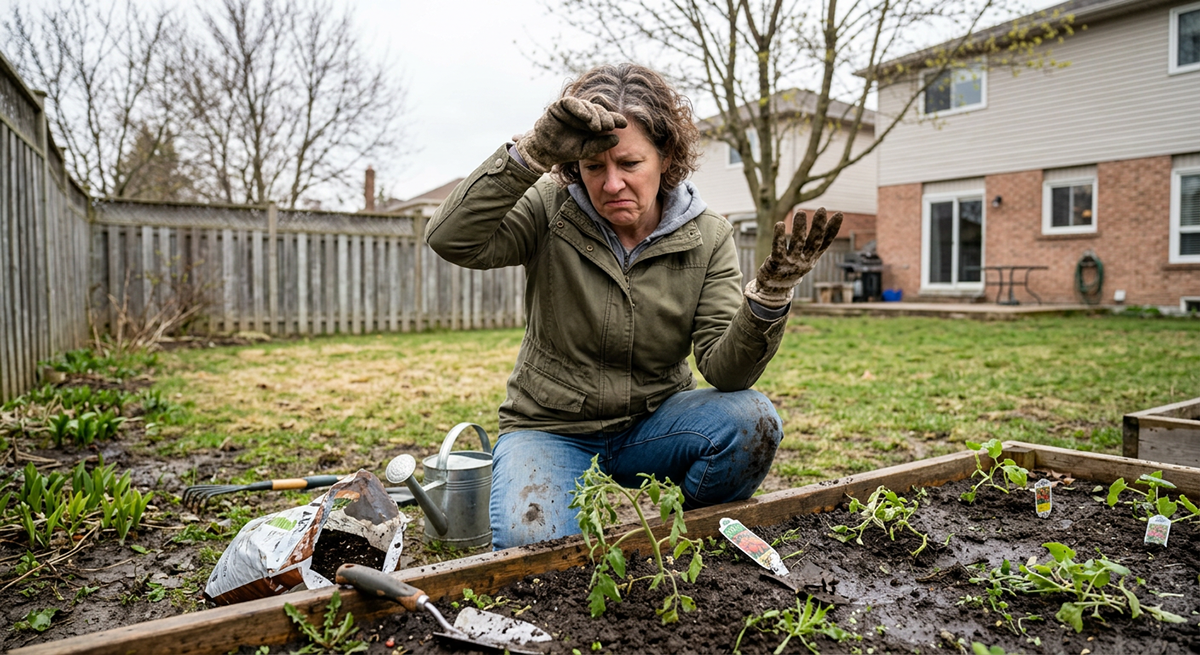
Mistake #1: Working the Soil Too Early (When It’s Still Wet or Frozen)
What NOT to do:
As soon as there’s a sunny day, eager gardeners rush to till, dig and turn beds, even when the soil is still soggy from snowmelt and spring rains!
Why it matters:
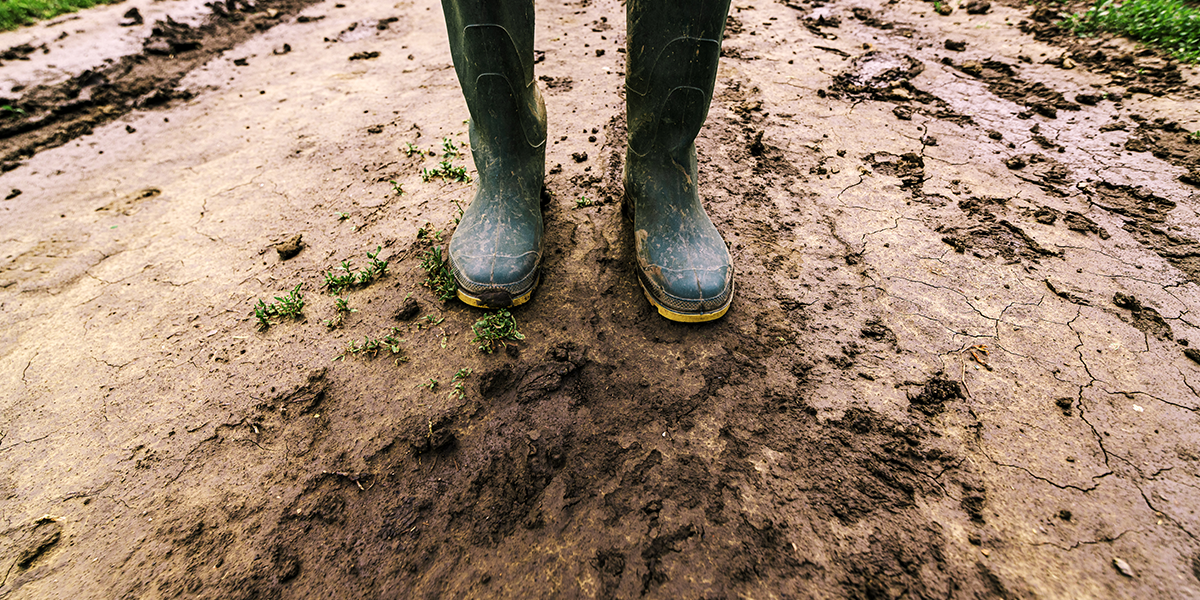
Wet soil lacks STRUCTURE that’s integral to growing healthy plants. Working wet or frozen soil will compact the soil particles and destroy the delicate air pockets that roots need to breathe and spread. The problems arise with compacted soil later in the season. Since you broke down your soil when it was wet or frozen, the compacted soil will drain poorly, warm slowly, and it can create a poor environment for developing seedlings. Be sure to keep in mind that walking on saturated soil will cause the same issues!
How to avoid it:
The simplest way to avoid compacting your garden soil is to be patient. Luckily, us gardeners are good at waiting! What exactly are we waiting for? Well we’re waiting for a safe time to begin to work our garden soil. In order to determine whether or not it’s safe to start digging, you should perform a “ball test”. Take a handful of soil and squeeze it. If the ball of soil crumbles easily when you open your hand, your garden is ready for digging! If, on the other hand, the soil forms a sticky, muddy ball, it’s best to wait for drier conditions. Being patient and waiting for the ideal conditions to work in your garden will pay dividends as the season progresses.
BigYellowBag is Your Solution for Compacted Gardens!
Perhaps you’re reading this too late and you’ve already started working your garden soil too early. Or maybe your garden soil might be compacted for a number of other reasons! Don’t worry though. BigYellowBag is here to help you get your garden back on track. It’s the ideal time to order a BigYellowBag of Black Garden Soil. Either replace your compacted soil, or amend it with soil that’s guaranteed to grow everything better. Our Black Garden Soil is a blend of black loam, peat loam, well-composted manure, and touch of mineral soil for stability. It’s specifically engineered for ideal drainage and moisture retention. Leave the days of battling heavy clay or sandy soil in the past!

Mistake #2: Planting Too Early (Ignoring Last Frost Dates)
What NOT to do:
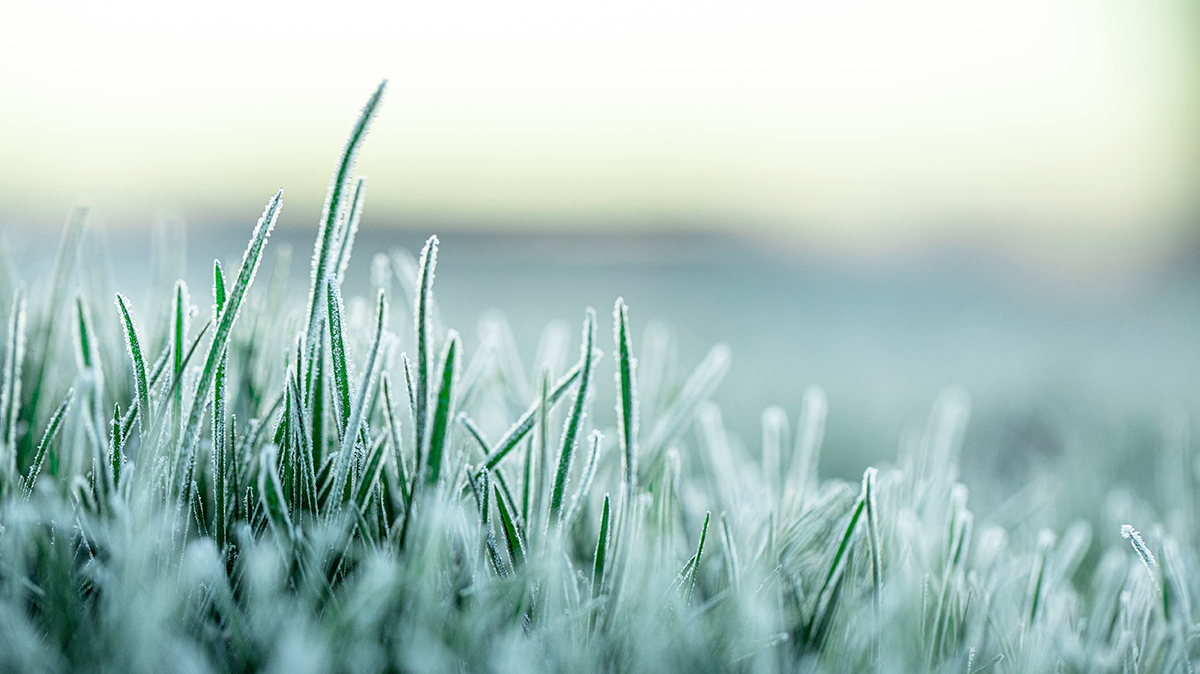
During their first visit to the garden center, gardeners will see seedlings and think “Well I guess it’s time to get planting!” without realizing that there could be another frost coming… Late frosts can decimate delicate seedlings that were planted too early.
Why it matters:
Young seedlings are very susceptible to damage from a late frost, and they can suffer serious setbacks or completely die! When the soil is too cold (approx. 50-60°F, or 10-16°C) it can prevent most seeds from germinating properly. Instead, the seeds will simply rot or struggle. So even when starting from seed, you want to be sure that there won’t be another frost coming. Of course there are some exceptions to this rule, like planting bulbs that thrive in colder soil conditions, but you generally don’t want to plant before the final frost. In most cases, early planting doesn’t actually give plants a head start when the conditions aren’t right.
How to avoid it:
The best way to prevent damage to your plants from a late frost is by being patient. As avid gardeners, we’re all excited to get things growing again, but you don’t want to let all your hard work in the garden go to waste. Research the typical last-frost dates in your specific plant hardiness zone. The USDA & the Government of Canada‘s Plant Hardiness Zone Maps are fantastic resources to help gardeners plan their season. Just remember to keep an eye on forecasts to confirm what your plant hardiness zone is predicting. You don’t want to get caught planting before the last frost.
For vegetable gardens, be sure to clearly sort your plants into cool-season crops (lettuce, peas, kale) that can be planted slightly earlier, and warm-season crops (tomatoes, peppers, cucumbers) that should be planted slightly later. If you’ve made a mistake and planted too early, you can try to use tools like row covers or frost blankets. Sometimes, these can be effective ways to protect any of your vulnerable plants. This is one of the most common spring garden mistakes.
Pro Tip for Avoiding Spring Garden Mistakes
Be sure to keep in mind that soil temperature matters as much (if not more) than air temperature! It takes significantly more time for soil to warm up than air. Soil thermometers are inexpensive and can save you a ton of time and effort in your spring garden.
Mistake #3: Neglecting Soil Health (and assuming “Dirt is Dirt”)
What NOT to do:
Many gardeners will spend countless hours researching seeds, plants, and watering schedules, but they skip the most foundational element of their gardens: what those plants are actually growing in!
Why it matters:
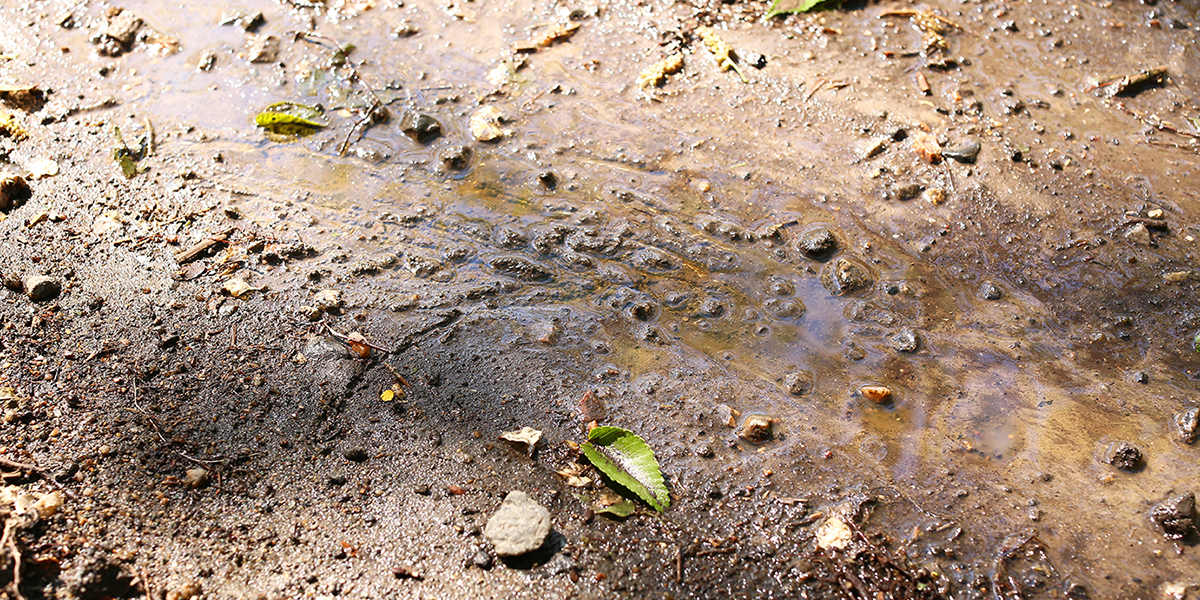
In reality, it’s a fairly simple equation. Poor quality soil = poor quality plants, no matter how much else you do the right way! In most places across North America, the native soil (what you have in your backyard) lacks the organic matter, proper pH, and microbial activity that plants require to truly flourish. Countless North American gardens are filled with nutrient-depleted soil. Previous growing seasons have used up those vital nutrients. Planting in old soil can simply starve new growth before it even has a chance to get started.
How to avoid it:
Well before you’re planning to plant, assess your soil. Many garden centers and nurseries have take-home soil testing kits that can help you understand pH and nutrient levels. If your soil is lacking in nutrients, and the pH levels are out of balance, you’re going to want to take action to fix it before you even think about planting anything. One of the simplest ways to boost your garden soil’s health is by amending it with Black Garden Soil.
Depending on the severity of your soil problems, you can add anywhere from just a few inches of Black Garden Soil, to completely replacing the existing soil. If your soil seems to be in good health, just remember to turn and loosen the top few inches of soil before planting to improve drainage and give your young delicate roots room to establish. But don’t forget about mistake #1… ensure your garden soil is dry and warm enough before working it!
BigYellowBag’s Core Purpose
This is the exact problem that BigYellowBag Black Garden Soil was created to fix! In the early 90’s, we saw so many homeowners struggling with poor soil quality that didn’t have a convenient solution. Our Black Garden Soil is a living, nutrient-dense growing medium that contains up to 50% organic matter. Most traditional “box-store” soil blends will have 0-20% organic matter, which is simply not enough to fuel healthy plants.
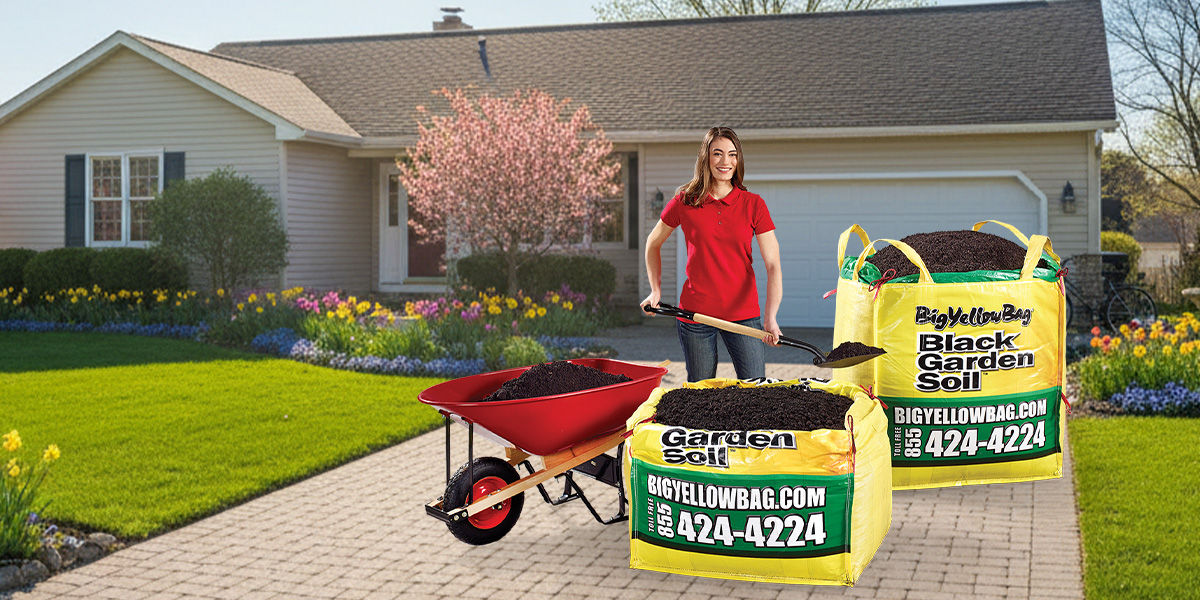
We work hard to maintain balanced NPK nutrients (nitrogen, phosphorus and potassium), the ideal pH range, and thriving microbial activity in our Black Garden Soil. All these factors contribute to growing great plants that can actually absorb the nutrients you provide them. Our Black Garden Soil works incredibly well as an amendment to existing garden beds, and is also perfect for starting new gardens. Keep in mind that you may want to incorporate some of your native soil (as long as it’s in good enough condition) into your Black Garden Soil when starting brand new beds.
Your BigYellowBag will be delivered free, straight to your door, in a convenient bulk bag. No lugging bags from the store, no messy pile on your driveway, and your Black Garden Soil stays nice and clean until you’re ready to use it! Order yours today and be ready for when your garden is! BigYellowBag is a simple way to avoid making many spring garden mistakes!
Mistake #4: Skipping Mulch (or Applying it Wrong)
What NOT to do:
So many gardeners have misconceptions about mulch. Either they don’t mulch at all in the spring, leaving soil exposed and vulnerable to erosion, or they apply mulch incorrectly. One of the most common spring garden mistakes is piling mulch up against plant stems or tree trunks, which can cause more harm than good!
Why it matters:
When you leave your garden soil exposed, it will dry out faster, lose nutrients to runoff, and gives airborne weed seeds an open invitation to come and get established! If mulch is piled up against the crowns of plants, or tree-trunks, it can cause rot and disease. Plants need proper air flow and drainage too, and mulching too closely to them can be detrimental. This is another one of the most common spring garden mistakes.
How to avoid it:
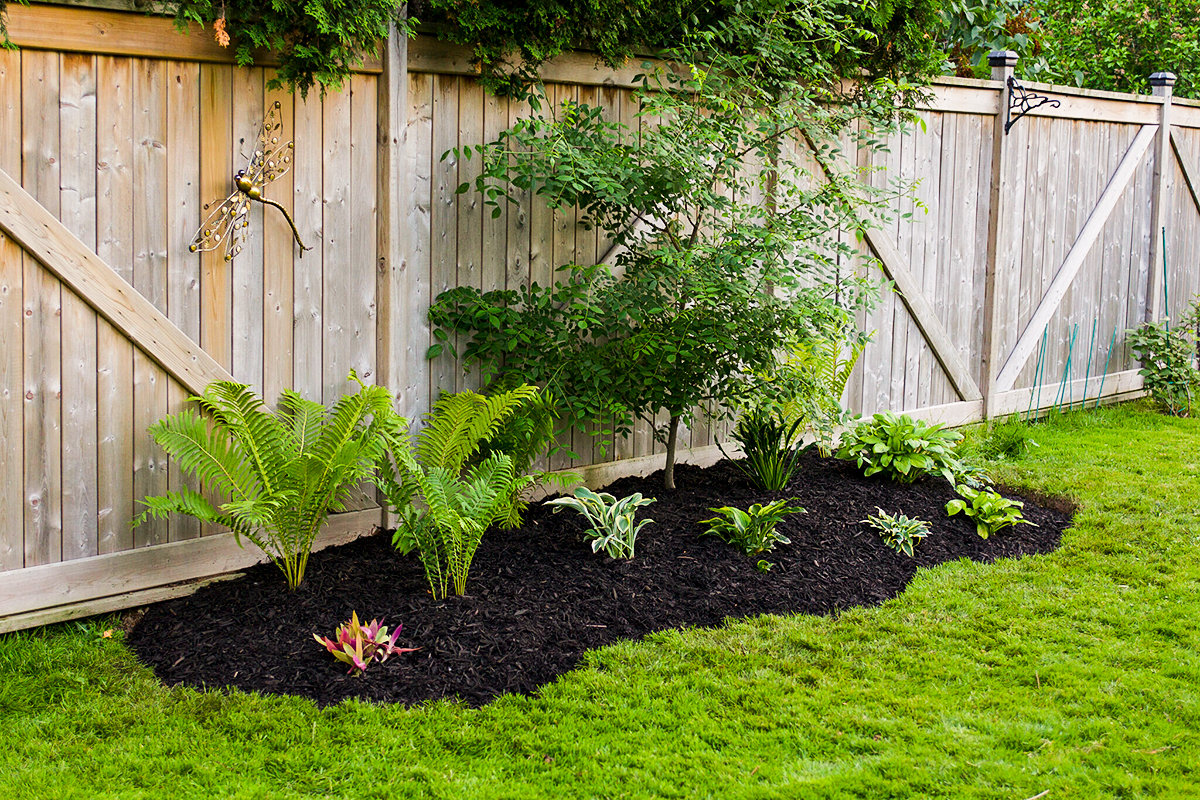
Our recommendation for applying mulch is to spread about 2-4 inches around plants and beds after your soil has had a chance to warm up slightly. You don’t want to mulch your garden beds while it’s still cold, because it will actually insulate you cold soil, keeping it cold for longer. Applying mulch at depths up to 5 inches will make it an effective insulator, a barrier to erosion, as well as ensuring that you’re taking full advantage of the weed-fighting capabilities.
Do your best to keep the mulch a few inches away from plant stems, crowns, and tree bases as we discussed above! Always be sure that you’re using natural mulches (wood chips, shredded bark etc.) that will slowly break down and improve soil over time. All BigYellowBag mulches are natural products, and if they are dyed, we only use food-grade dyes that are safe for your pets and kids.
Bonus Spring Tip
Spring is a fantastic time to topdress your lawn with BigYellowBag Black Garden Soil! Just like your garden, your spring lawn is craving nutrients after winter dormancy. Spreading a thin layer (approx. 1/2 inch) of Black Garden Soil across your entire lawn and raking it in well can give your lawn the essential nutrients it needs to thrive. Be sure that the majority of the grass blades are standing up after raking so that you’re not choking out your lawn.
Mistake #5: Overwatering Early in the Season
What NOT to do:
Of all our listed spring garden mistakes, this one can be very easy to make. With the best of intentions, many gardeners will water new transplants or seeds heavily, not realizing that spring soil is often already saturated from snowmelt and spring rain!
Why it matters:
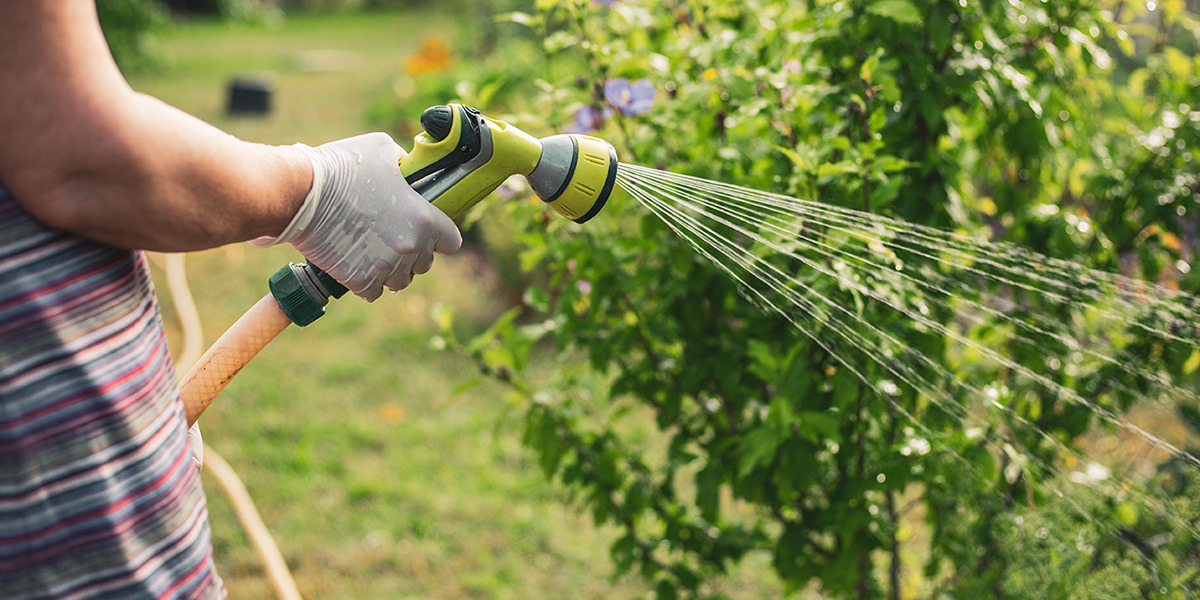
It seems counterintuitive, but overwatering is actually one of the main causes of garden failures, especially early in the season. Of course all plants need water to thrive, but too much of a good thing can be bad! When roots are water logged they can develop rot, suffocate, and become magnets for disease. Delicate seedlings actually develop stronger, deeper root systems when they have to reach a little bit for moisture. Overwatering means that roots don’t have to “go looking” for water. When they don’t go looking for water, root systems will become shallow and weak.
How to avoid it:
Each time you water, check your soil moisture first. Simply press your finger an inch into the soil, and if it’s damp, wait on watering. In the spring, you should be able to wait another day before watering, and try to avoid evening watering. As the season progresses and the summer heat arrives, you’ll want to be more attentive with your moisture checks. If you check your soil moisture in the morning and determine that you don’t need to water, check it again in the evening. When it’s really hot out, evening watering (4-6PM) can be a great way to keep your garden moisture optimized. No matter the season, always water deeply but infrequently to encourage those roots to grow deep looking for water.
A note on watering:
Gardens with well-structured soil (like garden beds amended with BigYellowBag Black Garden Soil) will naturally balance drainage and moisture retention, reducing the risk of overwatering! Black Garden Soil is guaranteed to grow everything better.
Set Your Garden Up for Success in 2026. Avoid These Spring Garden Mistakes!
So hopefully you now know how to avoid working wet soil, planting too early, neglecting soil health, skipping or improperly applying mulch, and overwatering. But try not to be too hard on yourself if you’ve made one of these mistakes! We listed them here for a reason. They’re very easy mistakes to make, and just try to keep them in mind as you head into the most exciting gardening season of the year.
Spring is the season of renewal. It’s a fresh start for you and your garden. With a little bit of patience and the right foundation, your 2026 garden could be the best one yet. Speaking of foundations, we believe that one of the best things you can do for your garden is give it the best soil to grow in. Order your BigYellowBag Black Garden Soil today! We’ll deliver it straight to your door in a convenient, weather-proof BigYellowBag. Your plants will have the nutrient-rich, well-structured growing medium they deserve.