
Microbial Health Breakthrough: Ignite Your Soil’s Hidden Ecosystem for Extraordinary Results
Beneath every robust lawn and vibrant garden bed is a thriving universe that’s packed with life. The soil in your yard contains countless microorganisms that are constantly working to keep your lawn and garden healthy! It’s easy to mistake soil for something that’s dead and inert, but that couldn’t be further from the truth. Healthy soil is teeming with microbes that process micronutrients and make those nutrients bioavailable to plants. Plants on their own can’t uptake nutrients directly from the soil. They rely on microbes to unlock soil nutrients for them, and that’s why microbial health is so critical to lawn & garden performance.
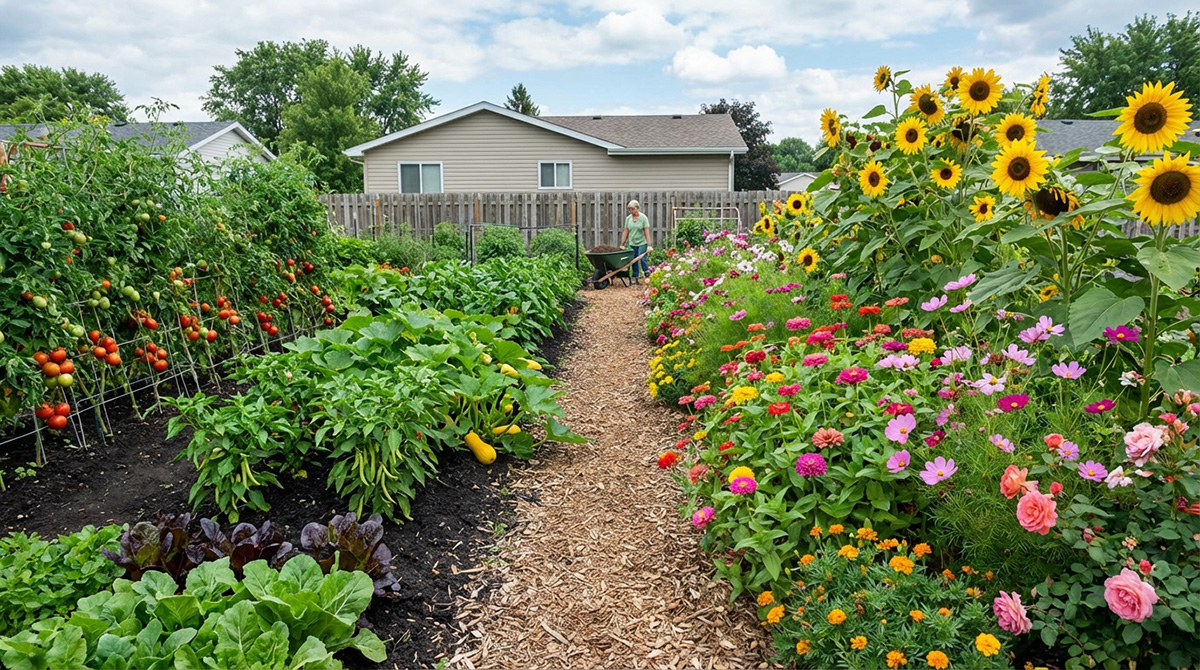
This process is called humification. These tiny creatures roam around underground, creating a substance called humus. Humus is the key to all soil that grows beautiful lawns & gardens. We’ll dive further into humus and its benefits, but humus wouldn’t exist without microbes. Soil with strong microbial health is naturally more disease resistant, retains more water, and ensures long-term soil vitality. These are all essential aspects of every successful North American garden. Consider this article your Rosetta Stone for understanding why not all soil is created equal…
What is Soil Microbial Health?
Soil microbial health is defined as the diversity, abundance, and activity of microorganisms in soil. When people hear about microorganisms, they might get a bit of an “ick”… But we’re here to talk about the good kind of microbes, not the ones that make you sick! The key players in every soil microbiome are:
- bacteria (nitrogen-fixers, decomposers)
- fungi (mycorrhizae, decomposers)
- protozoa
- nematodes
- archaea
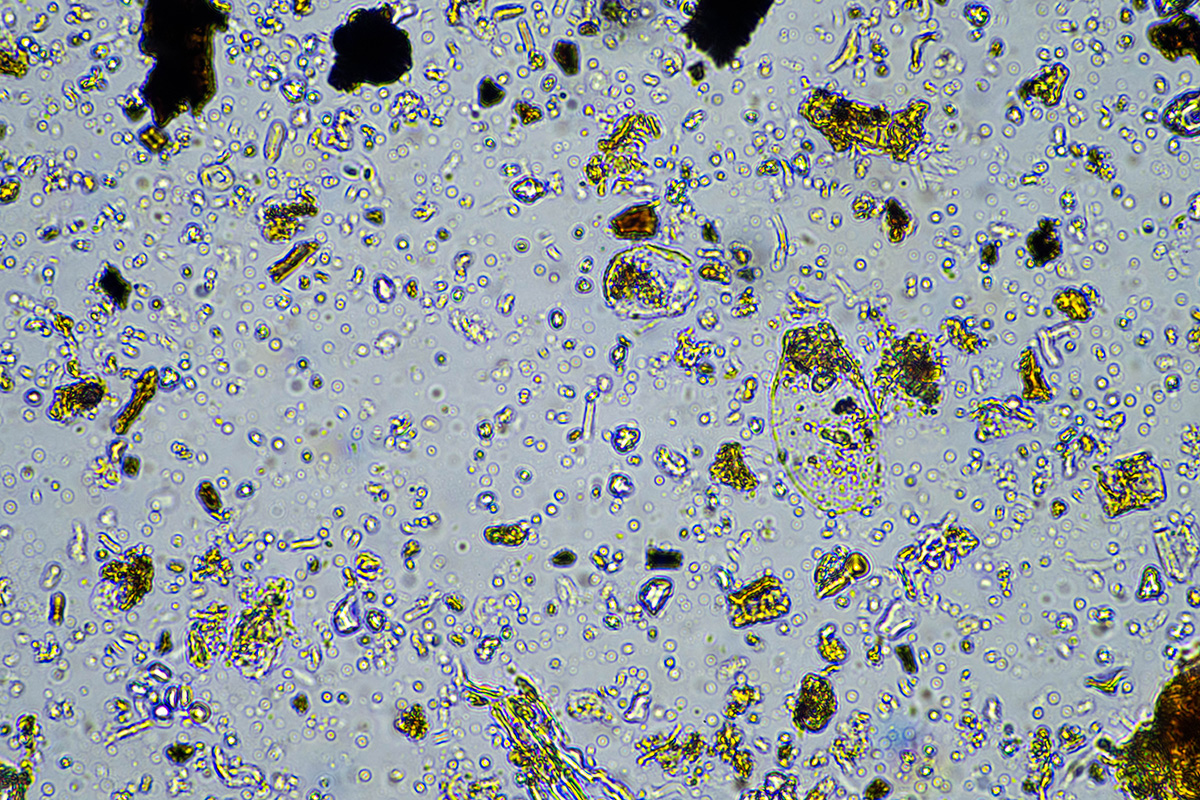
Whether you’ve heard of these tiny creatures before or not, the key takeaway is that they all work together to maintain a healthy soil ecosystem. A good analogy for this ecosystem is a food web. In contrast to a food chain, the soil food web does not follow a linear path. There are many ways that the different microbes interact, compete, and cooperate, which create multiple pathways of energy flow, countless relationships, and a system where the health of one group affects all the others.
Microbial Health Indicators
At this point, you’re probably saying to yourself “Okay, that makes sense… but how would I ever know how healthy my soil microbes are? I’m not a biologist!”. Well luckily, there are many indicators that can tell you a lot about your soil microbial health. When assessing the soil in your garden, one of the best indicators of a healthy microbiome is an abundance of earthworms. If you see 5 or more earthworms per shovel full of soil, it’s likely that you have thriving soil ecosystem.
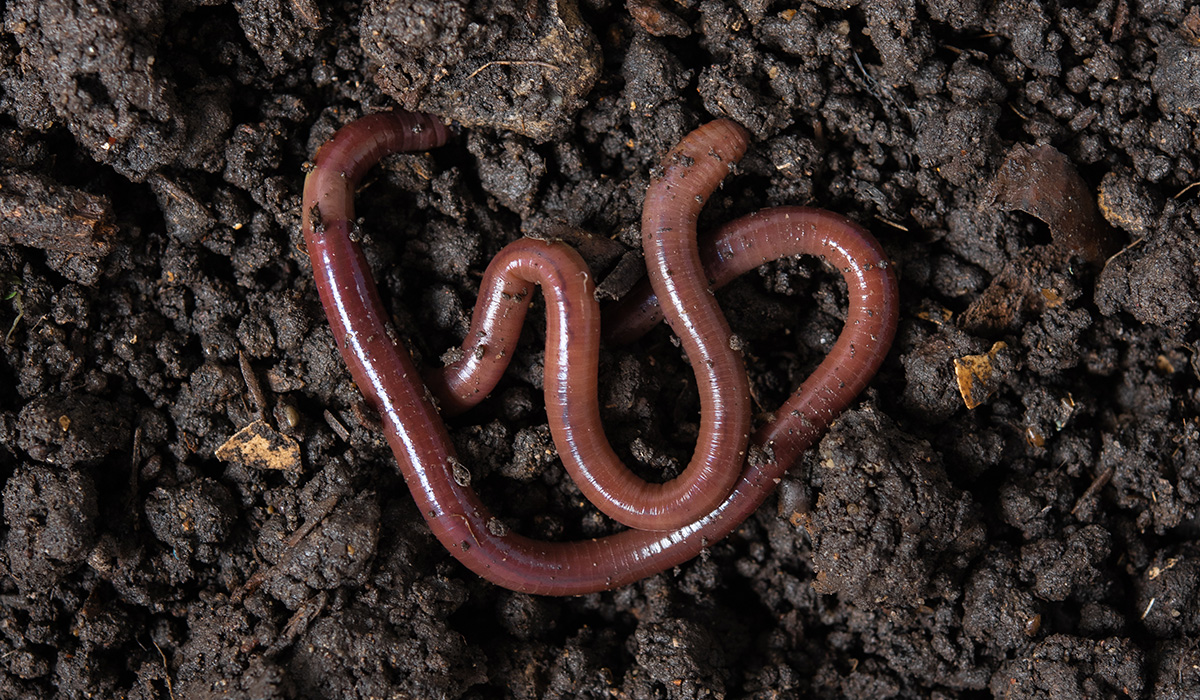
Earthworms are an important part of the soil food web we mentioned previously, and they provide a ton of benefits to your plants. Another indicator of a healthy soil microbiome is the smell. High-quality soil with have a pleasant earthy smell to it. If your soil smells like a forest floor, then it’s likely there’s plenty of thriving microbes present. On the other hand, if your soil smells sour, it’s a good sign that your soil could have “anaerobic” problems… Let’s take a brief detour from the indicators to explore why “anaerobic” is bad!
Anaerobic literally means “without oxygen”. Remember all those beneficial microbes we were talking about? Well they mostly thrive in soil that’s rich with oxygen, also known as aerobic soil conditions. When there’s a lack of oxygen, these beneficial microbes die off or go dormant and harmful microbes take over that can produce toxic compounds. Some of these toxic compounds include hydrogen sulfide (the source of a rotten egg smell), methane, and harmful organic acids that can damage plant roots.
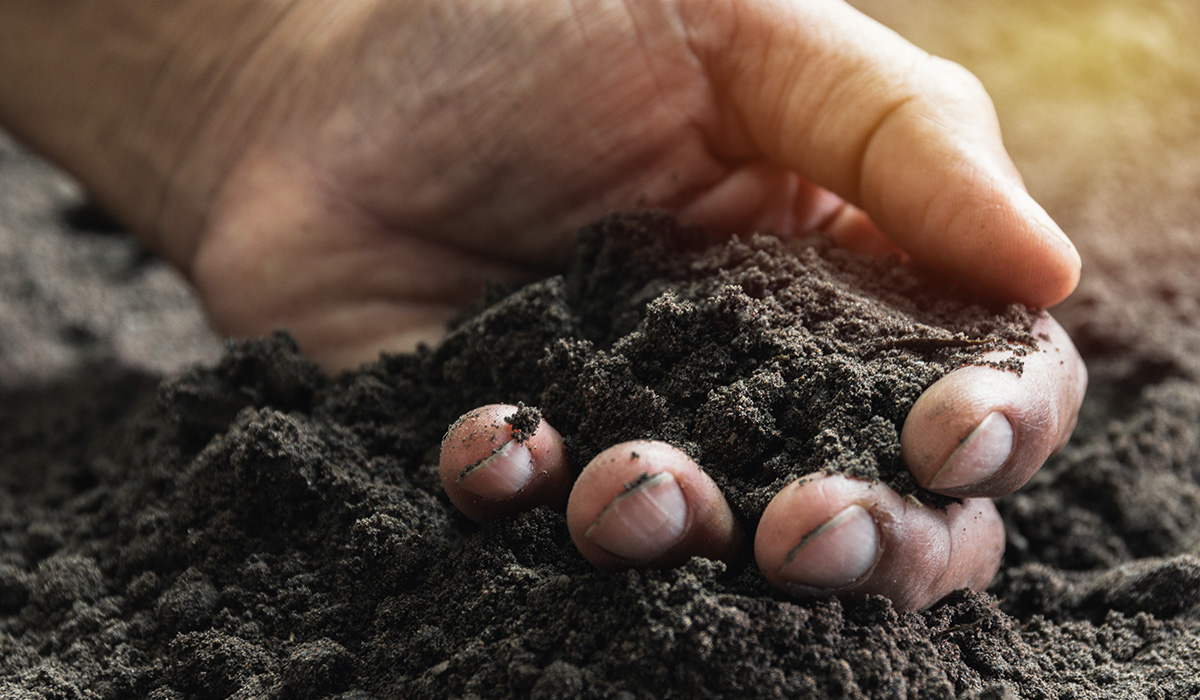
Okay, back to our microbial health indicators! Soil structure can tell you a lot about the microorganism activity. Healthy soil will form crumbly aggregates that will hold together when squeezed, but will break apart easily. It should feel light, airy, and porous. Unhealthy soil will have poor structure, either rock-hard compacted clumps that don’t break apart easily, or dusty powder that won’t hold together. One of the most obvious indicators of microbial health are the plants you’re growing! If your plants are growing vigorously, have a deep green colour, and are thriving with minimal fertilizer needed, you likely have a very healthy soil microbiome. Struggling plants are a sign that your soil doesn’t have the necessary microorganisms.
Why Healthy Microorganisms Matter for Your Lawn & Garden
Ultimately, the microorganisms in your soil are responsible for breaking down organic matter and making the nutrients in that organic matter plant-available. Let’s bring the concept of the soil food web back in here. Bacteria and fungi consume organic matter, absorbing the nutrients from the organic matter into their bodies. Protozoa and nematodes then eat these microbes and release excess nutrients (mainly nitrogen and phosphorous) making them immediately available to plant roots to absorb. Then the plants grow and die, becoming organic matter once again for the bacteria and fungi to digest and the cycle starts over. Of course, this is a simplification and there are several other microrganic interactions that branch off in various places along the way. However, this main branch from organic matter to nematode byproducts is essential to understand.
Humus: The Miracle Substance
We mentioned humus in the introduction, and it’s truly the cornerstone for why having good microbial health in your soil is essential. Humus is essentially the best byproduct of the soil food web! It’s the dark, stable substance that remains after the bacteria, fungi, nematodes and protozoa have thoroughly decomposed plant and animal residues. It’s a complex mixture of carbon compounds that resists further breakdown and can persist in soil for decades or even centuries.
Humus holds onto nutrients like a sponge, and it prevents them from leaching away while keeping them readily available for plant uptake. It’s also amazing at retaining water. Humus can hold up to 90% of its weight in water and it creates a backup moisture reserve in the event of droughty conditions. Remember when we were talking about the soil structure being an indicator of a healthy soil microbiome? Well a big reason why healthy soil has that “hold together” characteristic is the humus. It acts like a glue between soil particles and creates stable aggregates that resist compaction, as well as erosion!
But Wait! There’s More About Humus!
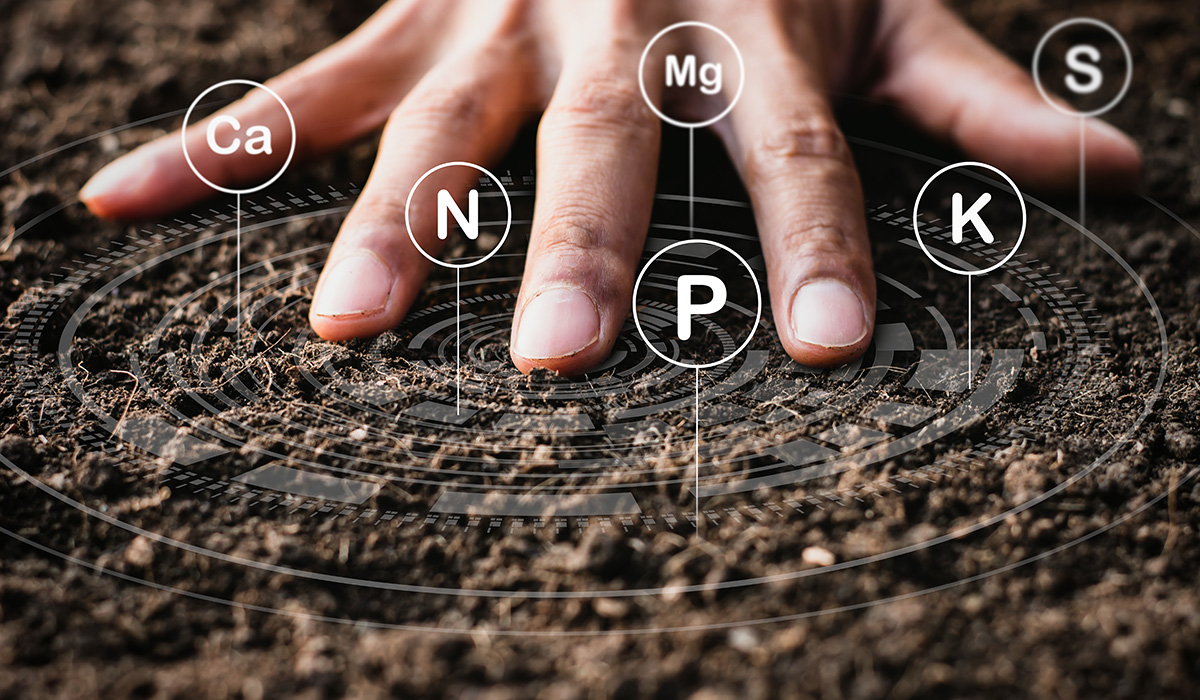
Humus is so amazing, we had to start a new paragraph. It also acts like a slow-release fertilizer, gradually releasing nutrients to plants providing long-term fertility. Forget about investing your hard earned money into high-tech synthetic fertilizers. All you need is healthy soil and your plants will be taken care of by your microscopic gardening friends! Many gardeners also worry about their soil pH, and rightly so! If your soil is too acidic or alkaline, it can be really detrimental to certain kinds of plants. Luckily, humus acts like a natural pH buffer. It can protect plants from being harmed by extreme acidity or alkalinity.
Humus is also excellent at storing carbon. You’ll hear a lot about soil being great at carbon sequestration, but it’s only able to capture that carbon effectively if there’s an abundance of humus present. Healthy microorganisms means more humus, and more humus means more carbon locked in the soil for the long term, improving both soil fertility and climate resilience.
Healthy Microbes = Humus = Countless Benefits for Your Garden
Now you have a basic understanding of the soil food web, and how humus is an essential byproduct of all the beneficial microorganisms in your soil. The passive nutrient production is the most important direct function of the microbes, but lets layout some more practical advantages of soils with strong microbial health:
- Improved drainage in clay soils and enhanced water retention in sandy soils
- Reduced compaction and increased root penetration
- Beneficial microbes outcompete potentially harmful ones (pathogenic organisms)
- Some microorganisms produce natural antibiotics and beneficial compounds that help prevent diseases, reducing the need for chemical solutions
- Healthy soil microbiomes help plants adapt to varying climate factors, particularly important in North American conditions that change drastically
If your soil is lacking organic matter, it’s lacking these beneficial microorganisms. In fact, if your soil isn’t providing your lawn and garden with all these benefits, I’d say it’s not soil at all… it’s just dirt! BigYellowBag has been building our Black Garden Soil from individual soil components since 1994, and you could say we’ve learned a thing or two about the importance of organic matter. It’s an absolute game changer when it comes to soil performance. We regularly test our soils to ensure that we maintain organic matter percentages as high as 50%! This high organic matter blend ensures those beneficial microorganisms have all the raw materials they need to continue to fuel, protect, and maintain your garden for years to come.

Common Threats to Soil Microbial Health in North America
Now we hope you have a new-found appreciation for the microorganisms that are essential for lawn & garden performance. Unfortunately, there are a ton of threats impacting soil microbiomes across North America. In lawns and fields, compaction from foot traffic and equipment can be very detrimental to the microbes that the turf relies on to thrive. Compaction reduces oxygen availability and we’ve already been over the detrimental effects of soil going anaerobic. This issue is common in high-traffic lawn areas and in sports fields. Pesticides and herbicides can also be harmful to our friendly neighbourhood microbes! Broad-spectrum chemicals, or chemicals that target a wide variety of pests and weeds, can have devastating effects on beneficial microorganisms. These effects will impact the soil food web and can break down your soil’s ability to feed plants entirely.
Does Your Soil Lack Organic Matter?
Many lawns & gardens simply have a lack of organic matter. Collecting lawn clippings, and not adding clean, quality organic matter back into gardens are far too common practices for many North American homeowners. This lack of organic matter can starve your microbial populations and ultimately lead to a complete downfall of soil fertility. You literally need to “feed” your soil in order for it work for you. Luckily, BigYellowBag can help! Annually refreshing your garden beds with BigYellowBag Black Garden Soil will reintroduce that missing organic matter, and reboot the soil food web to feed your plants all year long.
Regional Considerations That Harm Beneficial Microbes
Then there’s regional considerations that can be harmful to your soil’s microbiome. For instance, in Canada and the northern US states, the cold winter climate can disrupt soil food webs. Many microbes have the ability to go dormant in cold conditions. However, some others can be seriously impacted by cold conditions, especially when they come on suddenly. Adding a layer of mulch to your garden beds will help insulate your soil microbiome from the extreme temperature swings common in these areas. The vast majority of BigYellowBag suppliers also offer mulch, so be sure to check out your local BigYellowBag location’s order page and check for mulch availability!
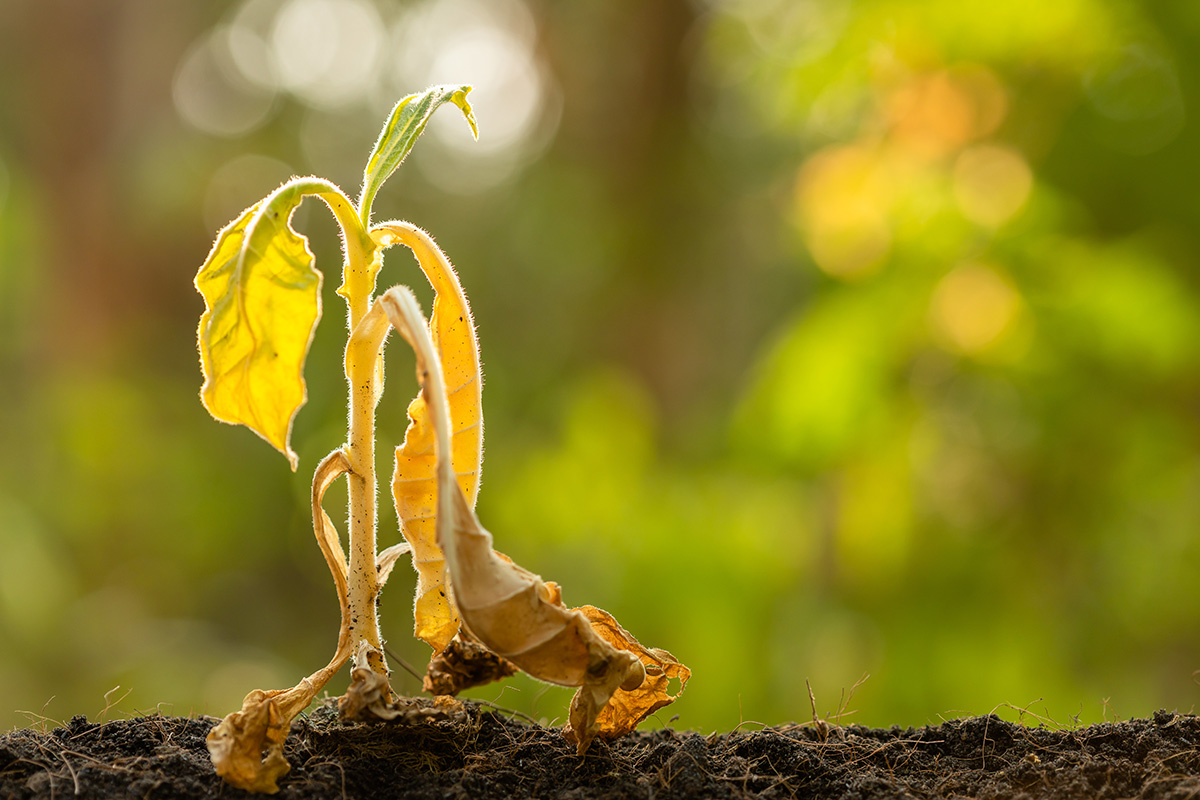
Conversely, in the south-western states, drought conditions are common. Drought can also have a detrimental effect on your soil microbiome despite the water retaining benefits of humus. That water retention only goes so far, and once the moisture is sapped from your soil, the whole soil food web can collapse rapidly. Once again, mulch can be a powerful tool in maintaining your soil microbiome throughout drought conditions. Mulch doesn’t just insulate your garden from extreme temperatures. It also helps to shield your garden soil from evaporation. Maintaining precious moisture during periods of no rain can go a long way in terms of upholding your soil’s fertility.
Another barrier for soil microbiomes, particularly in the midwest and areas of Ontario, is heavy clay soils. As you can imagine, heavy clay soils are susceptible to compaction and oxygen deprivation. Anaerobic conditions are common in these areas, and amending soil with a high-organic matter growing medium (like BigYellowBag Black Garden Soil) is basically essential to grow anything well.
Quick At-Home Microbial Health Assessment
If you’re at all uncertain about your lawn or garden bed’s soil microbiome, here’s a quick 5-minute microbial health check you do as soon as you can!
- Dig up a shovelful → Count the earthworms present. Ideally you should see 5 or more.
- Smell the soil → Your soil should smell earthy and pleasant.
- Give it the squeeze test → Once squeezed, your soil should form a ball, then easily crumble.
- Look at roots → If you see white, branching roots with a fuzzy coating, it’s a sign your soil’s microbiome is healthy.
- Water test → Pour water on the soil’s surface. It should soak into the soil quickly instead of pooling on top.
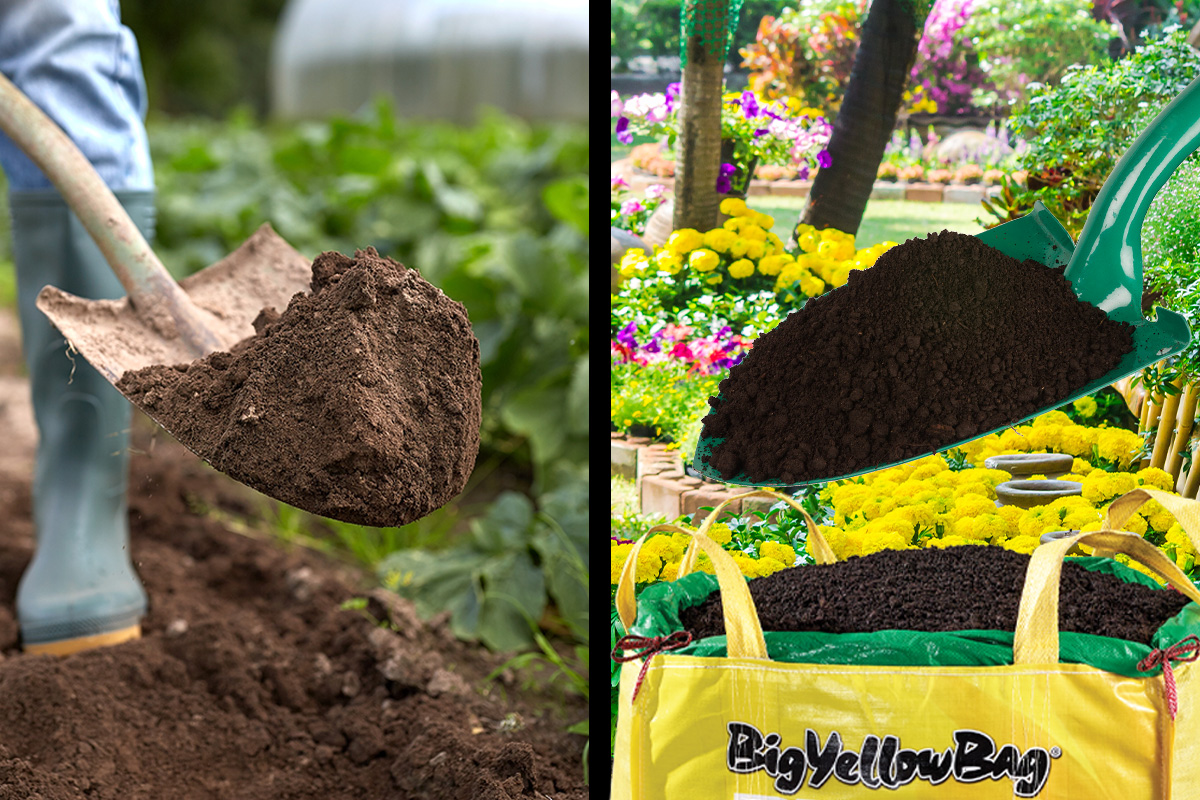
Give yourself a point for each aspect of the test that your soil passes. If you score between 4-5/5, your microbiome is likely healthy. If you only scored 0-2/5 your soil needs some serious rehabilitation, and we’d recommend replacing most of the soil with BigYellowBag Black Garden Soil. Luckily, even heavily degraded soil can be revitalized with Black Garden Soil. You can get your garden back on track as soon as you can get the work done. Just be sure to adapt your gardening practices to ensure you’re feeding your soil and not just depleting it. Poor plant performance is often the symptom of a poorly maintained soil microbiome. Happy soil = happy plants! That’s a motto we live by here at BigYellowBag, and we hope you start to live by it too!